March 04, 2026
Why Fashion is Finding Joy in Fantasy and Nostalgia
 HOCAdmin | Read in 6 minutes
By Joanne Yulan Jong
Paris couture shows have long marked the height of the fashion season. They are the moments when designers step away from commercial pressures and share their purest creative vision. This year, something noticeably different unfolded. While recent seasons leaned heavily into spectacle and scale, this one embraced nostalgia, imagination, and a sense of emotional ease.
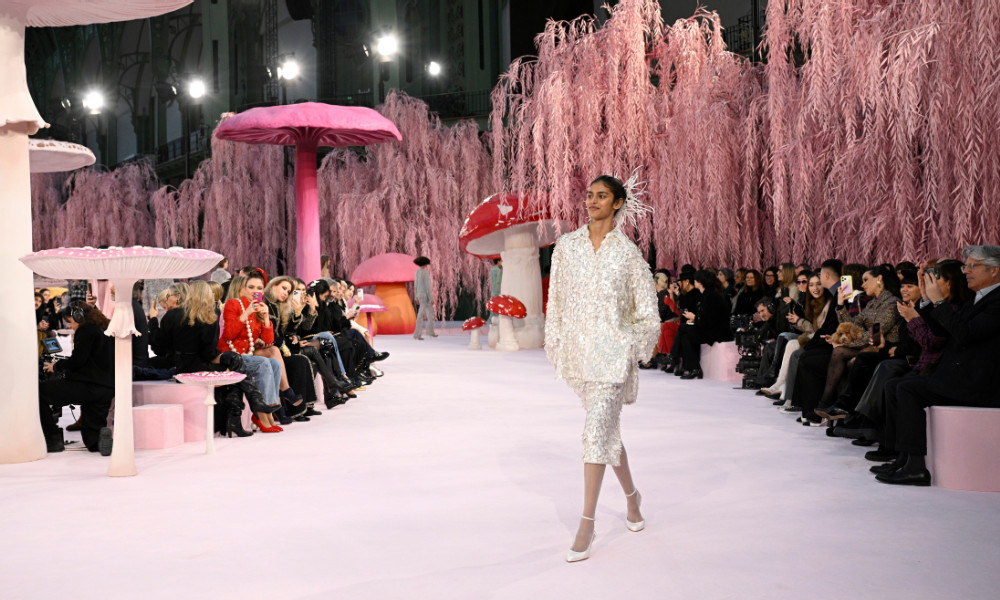
At Chanel, the show began with a familiar Disney soundtrack that filled the room as models moved through a whimsical landscape of oversized mushrooms. The atmosphere felt gentle and comforting, and I found myself smiling as I watched it unfold.
“Everything spoke the language of magical realism. Inspired by a Japanese haiku, Blazy thought of the lightness of a bird that lands for a moment on a mushroom and then flies away. It was only ten minutes, but one left the show feeling good.” - The Business of Fashion.
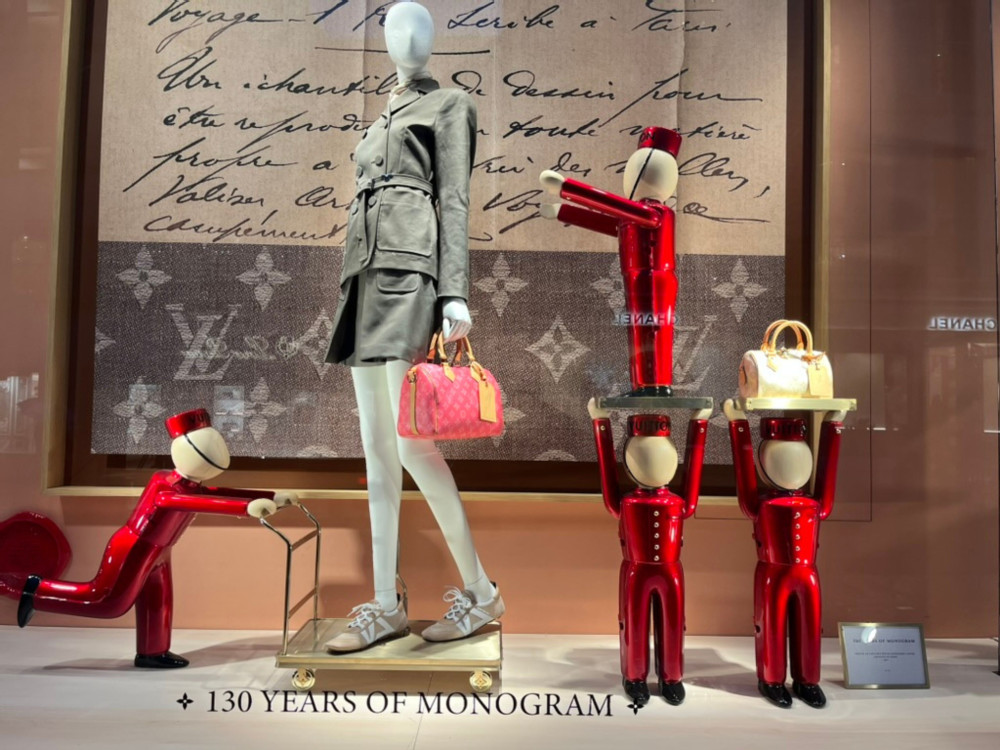
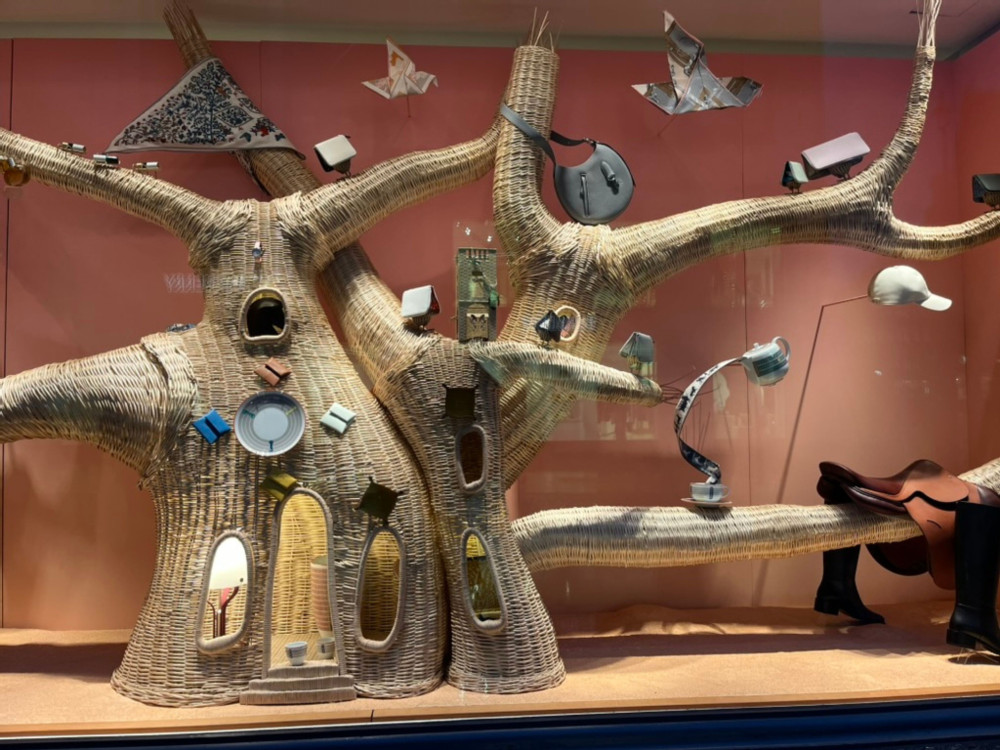
Along London’s famous Bond Street, feel‑good window displays were set up for the influx of buyers and media attending London Fashion Week. The same shift toward whimsy was clear to see. Playful themes and strong storytelling filled the storefronts, and I was struck by the youthful angle and the uplifting creative spirit running through it all.
The broader mood in fashion may help explain why this is happening. After seasons dominated by minimalism and tightly defined trends, the industry is moving toward something more personal and more emotionally driven. The clean, precise aesthetic once felt fresh, but its strict rules made it easy to replicate and eventually predictable.
I have worked in fashion for decades, and while trends naturally come and go, the world around us has changed in a significant way. With constant digital noise, ongoing news cycles and a general feeling of uncertainty, many people are seeking clothing that offers warmth, identity and a sense of individuality. Designers have responded by leaning into elements that feel authentic and emotionally reassuring.
It also raises the question of whether other influences are driving these nostalgic and playful directions.
According to Bain & Company, global luxury shoppers have been stepping back as economic uncertainty and price increases take their toll. This shift has led to a significant drop in aspirational buyers. Bain notes that the trend is especially strong among Generation Z, whose enthusiasm for luxury brands has continued to decline. In the last two years alone, about 50 million people have exited the luxury market. This level of loss is prompting brands to reconsider how they attract and re‑engage these shoppers.
It is not simply about introducing more accessible prices. Luxury brands are also putting greater emphasis on creative thinking behind their products and creating shopping experiences that feel welcoming and engaging. What better way to do this than by bringing whimsy, nostalgia and fantasy to the runway, then offering customers a chance to join in through a playful accessory, a charm or a small moment of delight.
This return to whimsy is not superficial. Brands understand that people are craving moments of relief in their daily lives. Nostalgic touches create that feeling by recalling periods that felt slower and less divided.
Historian Agnes Arnold‑Forster, author of Nostalgia, describes it as “a complex and slippery emotion”, one that “reflects the anxieties of the age in which it appears”. Her work shows that nostalgia often resurfaces during periods of cultural unease, acting as a way for people to process dissatisfaction with the present while imagining a future that feels more reassuring.
This is why we are seeing the return of lace, crochet, jacquard, fine buttoning, embroidery and other historically inspired details. These touches add texture and meaning back into our wardrobes at a time when much of daily life unfolds through screens.
This is part of the reason designers for Spring Summer 2026 are revisiting heritage, craftsmanship and well‑known visual codes. It is not about repeating the past, but about finding a sense of emotional steadiness through it.
These ideas form the foundation of the House of Colour SS26 Style Guide. This season feels like we are rediscovering the joy of dressing up, blending sentimental elements with the practicality needed for everyday wear. Couture showcases the most dramatic expression of this, giving designers freedom to explore fantasy without restraint. Those concepts later influence ready‑to‑wear pieces and what ultimately makes its way to the high street.
This cultural movement is also contributing to the fast growth of vintage and resale. The resale market is increasing at a pace that outstrips the wider fashion industry, as people look for items with history, character and a deeper sense of meaning. It naturally fits with the interest in individuality and emotional connection within personal style.
The SS26 Style Guide presents three themes that illustrate how fashion is reframing the past for today.
- Romantic Fantasy centers on softness and storytelling. Lace, draped shapes, heirloom‑inspired details and subtle metallic finishes create a mood that feels nostalgic without slipping into costume.
- Textured Travels takes cues from boho and Western influences. Fringing, suede, denim and handcrafted textures bring a tactile, grounded feeling that contrasts with the flatness of digital life.
- Vintage Flashback draws inspiration from the 1980s. Strong shoulders, bold colour‑blocking and slim cigarette‑style pants add structure and confidence without recreating the decade too literally.
House of Colour personal stylists play a meaningful role in helping people navigate these themes. Colour and style analysis help cut through the noise of global trends and bring the focus back to personal identity. This is particularly important now, as trends are becoming more identity‑focused and emotionally led.
By knowing the colours that compliments their natural skin tone and personal style, clients can incorporate nostalgic influences in a way that feels authentic rather than mimicking outfits that feel inauthentic. This keeps nostalgia from drifting into costume territory and ensures the look remains practical and wearable over time.
In a digital‑first world, nostalgia is becoming a way for people to feel grounded. When individuals lean into trends like Romantic Fantasy or Textured Travels, they are not just following what is in style, they are expressing their values, their memories and a desire for connection.
The SS26 season shows that fashion is looking to the past to help us stay present. Designers are drawing on earlier eras as a resource to navigate the complexity of today. Fashion becomes a tool for stability, meaning and self‑expression. This season demonstrates that nostalgia is not a step backward. It is a way to move forward with intention.
Joanne Yulan Jong is a Creative Strategist, Fashion Writer, and Author of the bestselling book The Fashion Switch: The New Rules of the Fashion Business. She is the founder of Yulan Creative, a consultancy specialising in brand strategy for fashion and lifestyle businesses. In 2020, she led the rebranding of House of Colour and continues to serve as a Non-Executive Director. You can follow Joanne on Instagram, Facebook and LinkedIn.